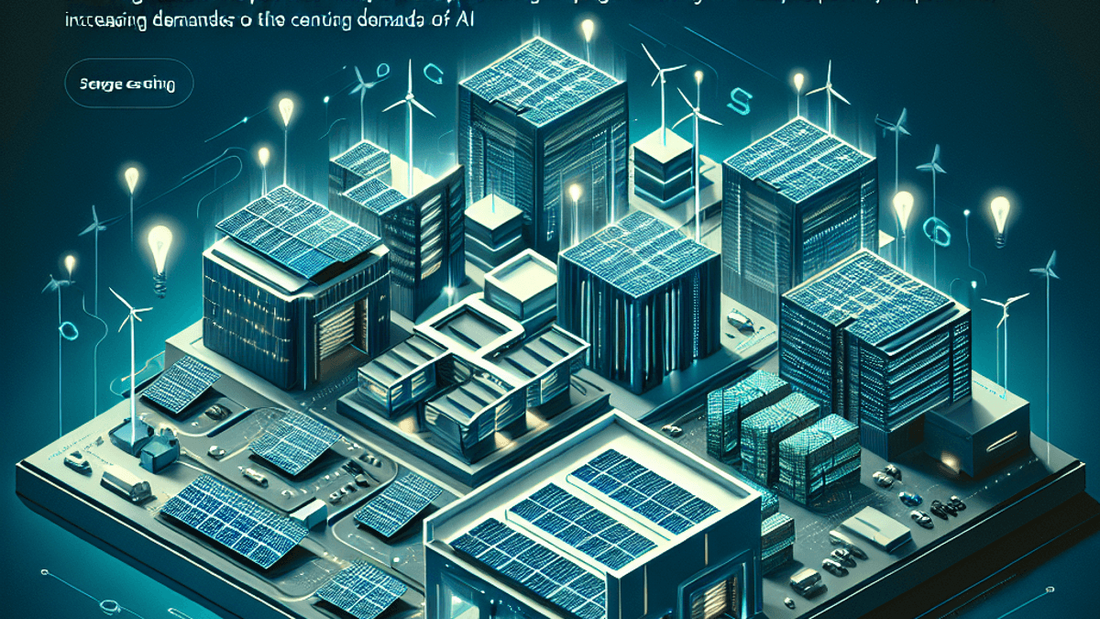
Hyperscalers and colocation providers are unveiling renewable-powered campuses in emerging markets to absorb AI demand without blowing emissions targets. Google confirmed a geothermal-backed region in Kenya, while Equinix partnered with local utilities in Chile to blend solar and pumped hydro storage.
Microsoft and Tencent announced joint ventures in Indonesia that combine floating solar arrays with battery storage to run inference clusters during peak demand. Operators promise transparent emissions dashboards that align with the Science Based Targets initiative.
Local partnerships matter
Developers are signing community benefit agreements to fund workforce training and grid upgrades. Kenyan partners said the geothermal campus will sponsor STEM labs and invest in grid stability to prevent brownouts.
Cloud buyers are negotiating contracts that tie compute pricing to renewable availability. Enterprises that shift flexible workloads to off-peak windows can access discounted rates.
Risks still present
Environmental groups want assurances that water usage stays within sustainable limits, especially for liquid-cooled AI clusters. Operators are trialing closed-loop cooling and wastewater recycling to minimize impact.
The projects illustrate how decarbonization strategies are becoming central to infrastructure planning as AI workloads surge worldwide.