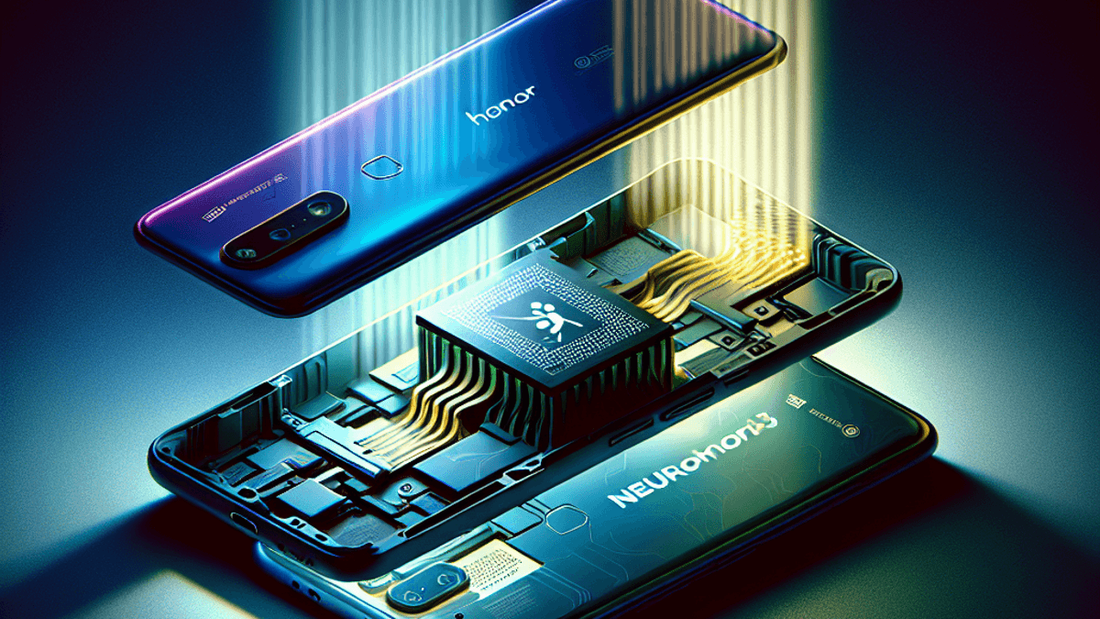
Honor and Oppo unveiled the first mainstream Android flagships with neuromorphic coprocessors this week, promising real-time personal AI experiences without the cloud. The silicon, co-developed with BrainWave Labs, uses spiking neural networks optimized for contextual memory and audio processing.
Product demos showed voice assistants executing multi-step routines such as travel planning and photo curation while the device was in airplane mode. OEMs claim the approach slashes inference power draw by 40 percent compared with traditional transformer accelerators.
Developer tools in beta
The launch includes an SDK with PyTorch-compatible converters and profiling dashboards that visualize spike latency and synapse utilization. Early access partners include productivity app makers and accessibility startups building offline transcription.
Carriers are watching closely because localized AI could reduce data plan usage. Some are exploring bundling neuromorphic handset tiers with premium subscriptions that unlock cloud sync for long-term memory storage.
Supply chain constraints
BrainWave Labs acknowledged wafer yield challenges but said its 4 nm process at TSMC has cleared pilot runs. Analysts expect initial shipments to be limited, making allocation transparency and firmware support commitments crucial for IT buyers considering corporate rollouts.
If adoption sticks, expect rivals to tout neuromorphic features at CES 2026 as they look to differentiate in a saturated flagship market.