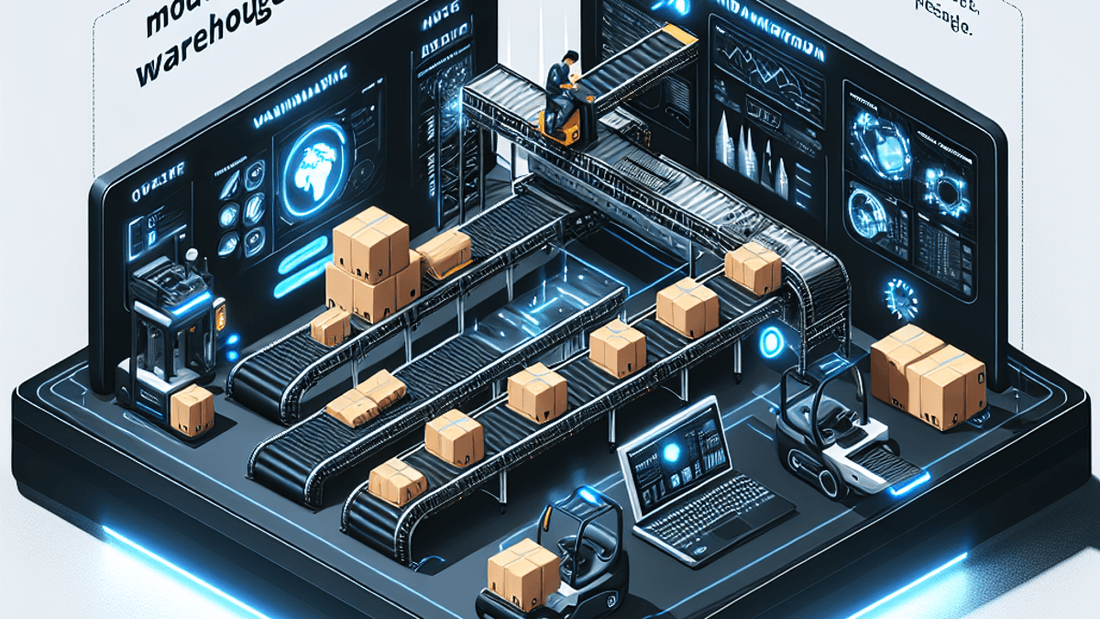
Global logistics operators spent Q3 rolling out plug-and-play edge AI modules that snap into existing conveyor and scanning lines. DHL, UPS Supply Chain, and JD Logistics confirmed multi-year agreements with Taiwanese ODMs shipping ruggedized NVIDIA Thor-based systems designed for dust-heavy warehouses.
The kits deliver sub-30 millisecond inference, supporting multi-camera SKU verification and pallet damage detection without routing frames to centralized data centers. Integrators pair them with private 5G backbones so that every loading dock can run computer vision and robot coordination locally.
Service ecosystems emerge
Systems integrators are bundling managed services alongside hardware. Deloitte and Accenture launched 24/7 remote operations centers that monitor edge modules, push OTA updates, and track model drift using synthetic test datasets. Pricing blends per-device licensing with volumetric fees based on inference minutes.
Warehouse managers say the new contracts finally align incentives: the integrator is on the hook if safety alerts or SLA adherence drops. Customers can also swap out vendor-specific cameras thanks to an open VESA-aligned connector spec published this month.
Next: workforce reskilling
Consultants expect the next crunch to be staffing field technicians who understand both OT safety protocols and machine learning observability. Several community colleges in the U.S. and Germany have already announced micro-credential programs co-funded by logistics partners.
With peak season approaching, the edge AI retrofit wave is likely to define fulfillment KPIs heading into the holiday rush.