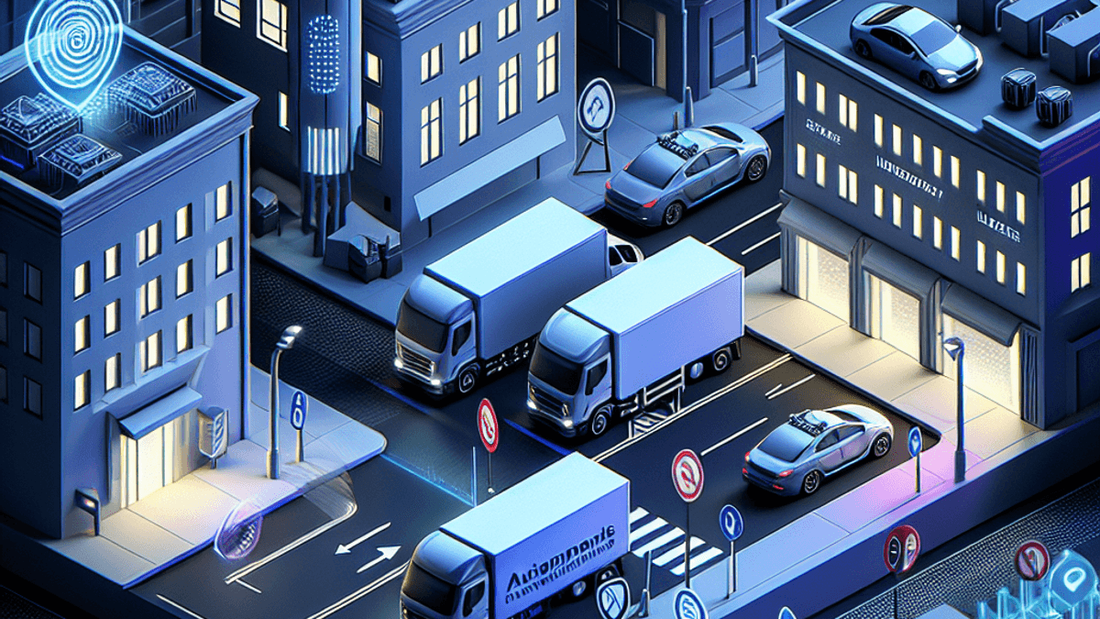
FedEx, Meituan, and Posten Norge are piloting mixed-mode autonomous delivery that hands off packages between sidewalk robots and electric vans to navigate dense urban cores. The fleets use shared situational awareness layers so each vehicle receives real-time curb availability and pedestrian density data.
Dynamic handoffs reduce double parking citations and improve delivery accuracy by synchronizing drop windows with building access controls. Pilot metrics show a 27 percent cut in failed delivery attempts across Oslo, Chengdu, and Austin.
Regulators push for transparency
City transport agencies are requiring continuous telemetry exports to open data portals. Operators responded by launching dashboards that anonymize personally identifiable information while exposing route efficiency and incident reports.
Vendors are also committing to standardized safety drills. Remote fleet supervisors must pass quarterly re-certifications that cover emergency intervention protocols.
Labor considerations
Courier unions are negotiating to ensure human drivers receive training for fleet orchestration roles as vehicles transition between manual and autonomous modes. Industry analysts expect new job categories around robotics maintenance and curbside concierge services.
If the pilots maintain positive sentiment through the holiday season, expect broader adoption in 2026 with incentives linked to congestion pricing relief.