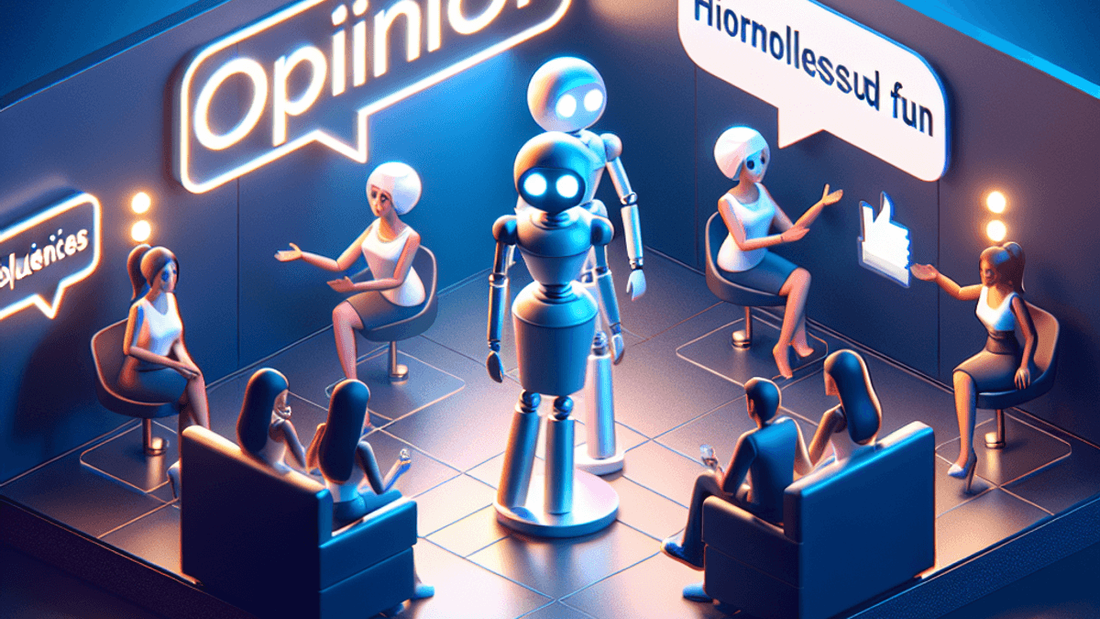
Meta’s latest batch of AI personas leans heavily into flirty banter, pop-culture references, and curated personalities that feel more like influencers than bots. For adults, that cocktail is mostly harmless fun. For parents, it raises an uncomfortable question: where is the line between an engaging digital assistant and a machine that nudges kids toward parasocial intimacy?
The company frames these chatbots as optional, with clear labeling and controls. But Meta’s growth strategy depends on keeping people in its apps, so the personas are tuned to respond with charm and emotional mirroring. Those tactics are textbook engagement design—the same playbook that keeps users doomscrolling—and they can undermine a parent’s attempt to teach healthy digital boundaries.
When a bot flirts or playfully challenges a teen, it normalizes sharing personal stories with an algorithm trained on massive datasets. Even if Meta strips out explicit content, the tone still primes kids to treat the AI as a confidant. That makes it easier for targeted ads or future upsells to slip through, and it creates a gray area for consent: the chatbot is not a friend, yet it is engineered to feel like one.
Parents should not have to choose between blocking every AI experiment or hoping for the best. Meta could offer persona tiers that default to neutral language for minors, clearer transparency reports about how prompts are stored, and opt-in audits by third-party child-safety experts. Until then, the flirty bots will keep testing how much intimacy people will tolerate from corporate AI.
As with any social platform, families need honest conversations and proactive guardrails. The novelty of a witty chatbot fades quickly, but the habits it instills can shape how the next generation treats algorithmic companions—for better or worse.